What Is a Collection Meter Really
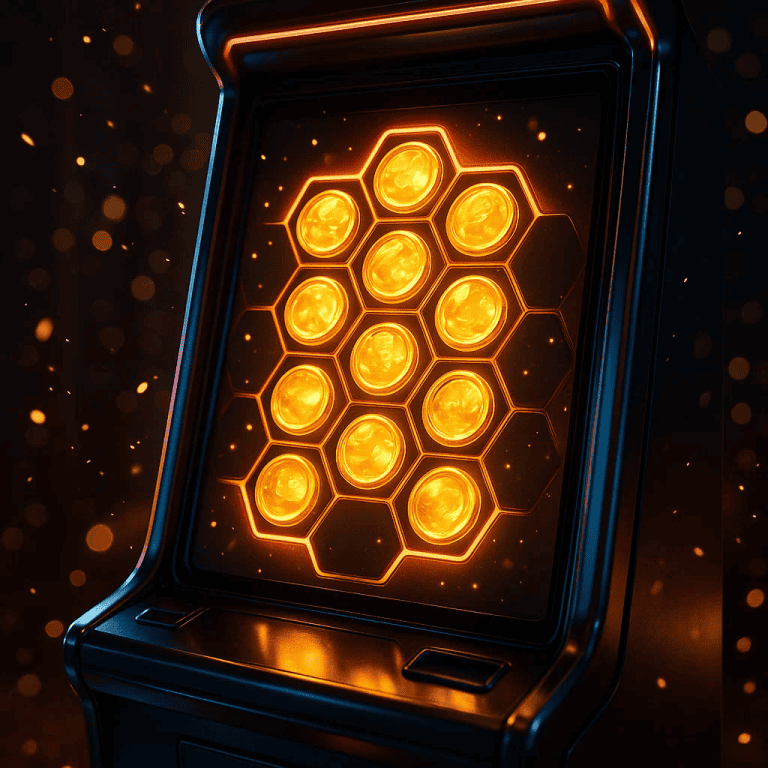
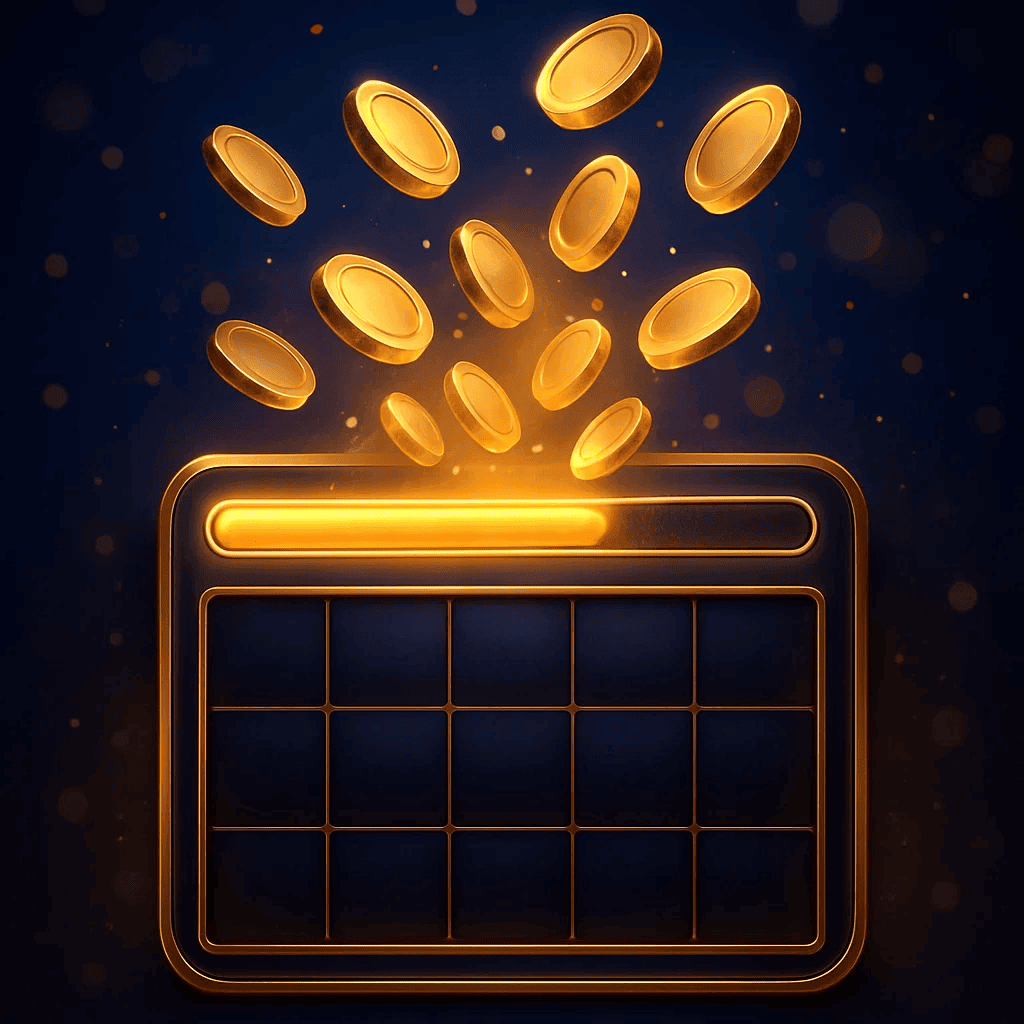
A symbol-collection meter is a progress bar that fills when specific tokens land during paid spins. When the bar reaches a threshold, the game unlocks an upgrade of extra wilds, reel expansions, multiplier boosts, or a bonus mode. The random number generator still decides each spin independently; the meter simply stores progress so that value is delivered in lumps rather than a steady drip.

Why Designers Use Meters
Meters create a sense of continuity across spins. Instead of waiting only for scatters to trigger a bonus, you also chase incremental checkpoints: fill a segment, upgrade a feature, repeat. Psychologically, that softens droughts because even non-winning spins can feel meaningful when they contribute tokens. Mathematically, designers shift a slice of the return into those unlock moments, which is why base-game taps can feel a bit lighter between milestones.
Common Collection Architectures
Before we tour the usual variants, remember that each is just a different way to allocate value and shape pacing. None alters randomness; all of them redistribute when rewards appear.
- Threshold unlocks: Gather N tokens to upgrade the board (e.g., add wilds, expand rows) for a set number of spins.
- Tiered levels: Several bars stack; each level enhances the feature more than the last, making later triggers spikier.
- Mode entry: Fill a meter to start a distinct bonus (free spins, hold-and-collect, or a wheel).
- Persistent tokens in feature: During free spins, collected tokens carry across the round, compounding upgrades.
After the list, tie it back to pacing: the more tiers and carryover the design uses, the longer value is parked in future moments great for drama, harder on short sessions.
RTP Distribution and Volatility
Meters don’t increase or decrease overall RTP by themselves; they relocate return into milestone spikes. A title with deep tiering often feels medium-to-high volatility because rewards bunch up around upgrades. In contrast, shallow single-threshold meters can feel gentler, sprinkling small boosts more frequently.
Bankroll Planning for Meter Games
Pick a stake that buys time to reach milestones. If upgrades meaningfully change the grid extra rows, sticky modifiers, progressive multipliers plan for 100–200 spins to see the system breathe. Avoid mid-session stake jumps after you’re “almost there”; independence means the next spin isn’t more likely to drop a token, and overbetting near thresholds is a classic tilt trap.
What to Check in the Info Panel
Look for the token symbol, where it can land (all reels or specific ones), whether progress persists between sessions or resets, and whether upgrades last only during a feature or also affect the base game for a few spins. If a demo exists, sample a short run to gauge token frequency and the strength of each unlock before risking money.
Misreads to Avoid
Many players believe near-full meters make triggers “due”. Not so the meter only describes how many tokens you’ve already collected; it doesn’t change the probability of the next token. Likewise, pausing or timing spins won’t influence token drops; the outcome is fixed the instant you click.
Conclusion
Collection meters turn a slot into a series of mini-goals. When you know how tiers, thresholds, and carryover rules parcel out value, you can size stakes for patience and enjoy the satisfaction of upgrades without chasing them recklessly. Treat milestones as scheduled bursts in a fair, independent sequence not as promises that the next spin must deliver.