What Does a Gamble Feature Actually
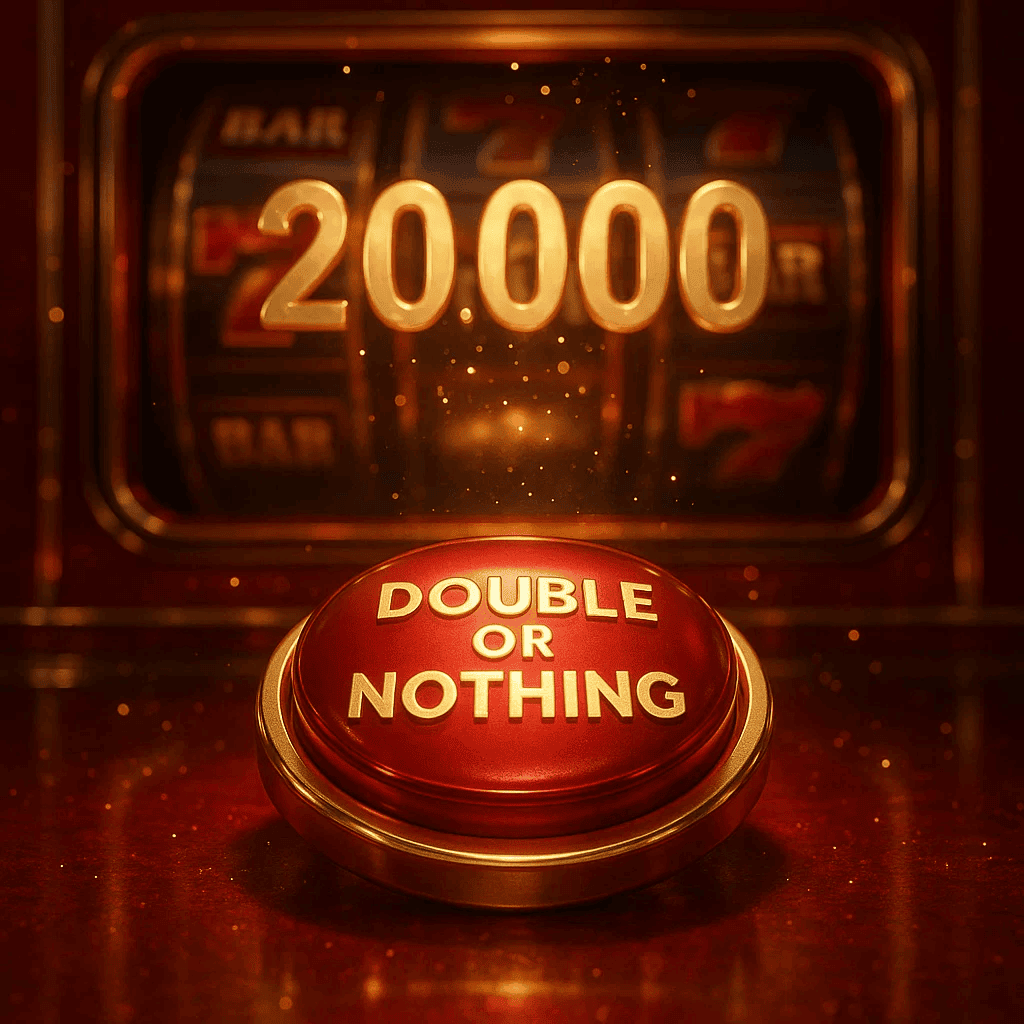
After certain wins, some slots offer a gamble: risk the entire prize (or half of it) on a quick event for a chance to multiply the amount. In red/black versions, you guess a color; on risk ladders, you climb steps with escalating rewards and drop points. These are optional, self-contained side games that don’t alter future spin odds. They simply increase variance by converting a sure payout into a bigger swing.
Expected Value vs Emotion
At fair settings, a color gamble has roughly 50/50 odds (minus any house adjustment stated in the rules). That means the expected value is close to your original win, but variance explodes: many small prizes vanish, and fewer but larger prizes survive. Ladders can skew probabilities by step, offering safer small hops and risky big jumps, yet the overall expectation remains near neutral once house edges are factored.
Main Variants You’ll See
Before listing types, anchor on this: variants change how you risk, not whether it’s random. Choose based on nerves, not superstition.
- Red/black (or high/low) guess: One click, double or nothing; sometimes a half-gamble option exists.
- Fixed-step ladder: Each press attempts to move one step up; a miss drops you to a lower step or zero.
- Variable ladder: You can choose safe or risky jumps with different success odds and rewards.
- Partial cash-out: Some ladders let you bank at intermediate steps before attempting the next.
After the list, connect to pacing: single-click gambles finish instantly, while ladders stretch tension across several decisions both increase volatility compared to taking the win.
When (If Ever) to Use Gambling
Gambles don’t turn a losing session into a winning system. They are pacing tools that compress many small outcomes into fewer, larger ones. Sensible use means setting a rule beforehand e.g., “only gamble wins below X”, or “take two ladder steps max, then bank” and sticking to it regardless of recent luck.

Bankroll and Mental Framework
Treat gambles like separate mini-sessions within your session. If you halve-gamble, you preserve some progress while still embracing variance. Keep stakes modest on high-volatility slots; pairing swingy base games with aggressive ladders is a recipe for whiplash. Track how often gambles erase progress compared to the occasional doubles data clarifies emotions.
Common Myths to Ignore
It’s tempting to think success streaks mean you’re “hot” on the ladder, or that alternating colors on a guess will “balance out”. Independence breaks these illusions: each gamble is a fresh event with the same odds as the last. Stopping the animation early or timing your click differently doesn’t change outcomes; the result is determined at input.
Conclusion
Gamble features and risk ladders are thrill accelerators. They exchange certainty for spectacle, leaving expected value roughly unchanged while pushing variance skyward. If you use them, do so by rule, not by feel: pre-set limits, consider half-gambles, and bank at sensible checkpoints. If you’d rather keep momentum steady, skip the side game and pocket the win.