Fixed vs Progressive: The Core Difference
A fixed-jackpot slot offers a top prize that doesn’t change. A progressive slot routes a fraction of each eligible bet into a growing meter. That meter may be local (funded by one venue) or networked (funded across many venues), which is why headline amounts can climb so quickly. The growth mechanic doesn’t affect fairness per spin; it simply shifts a slice of RTP into a prize that rises over time.
How Progressive Meters Accumulate
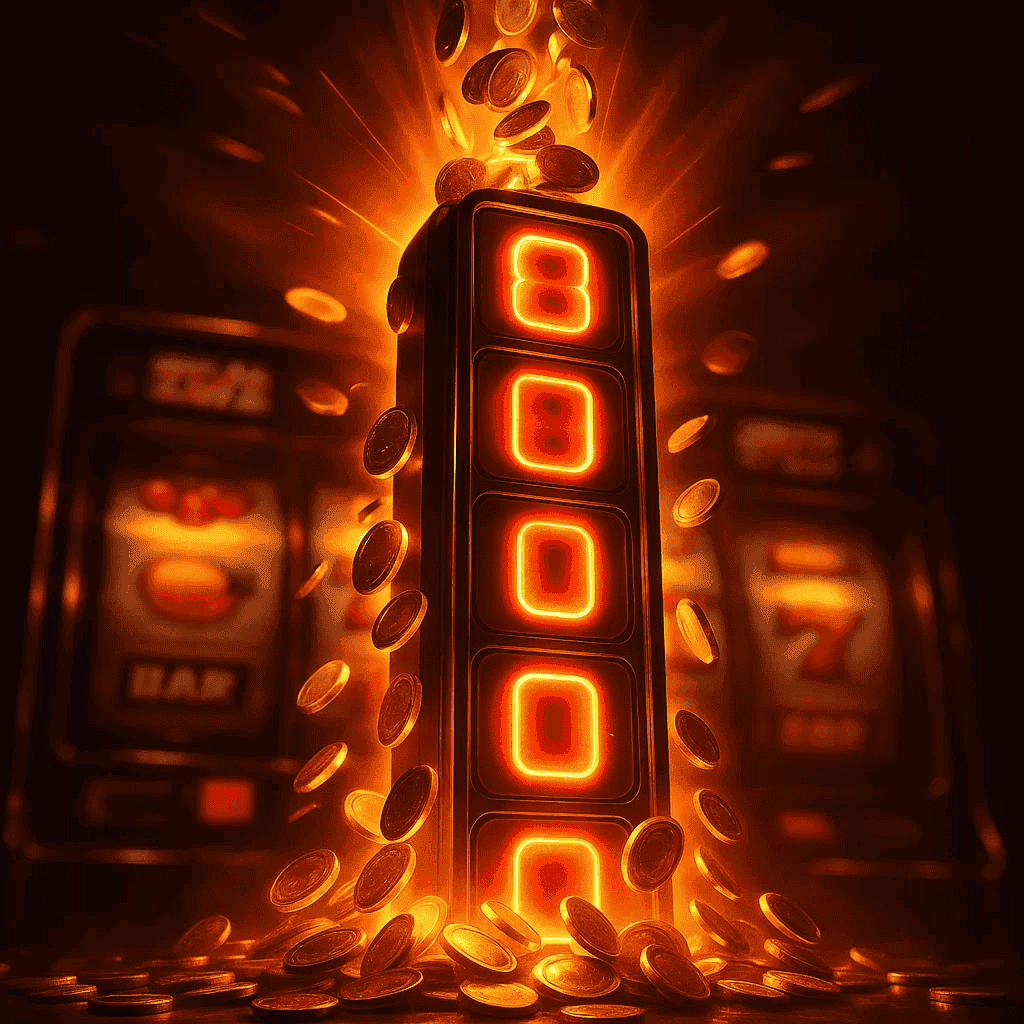
Each spin siphons a tiny percentage to one or more jackpot tiers (often labeled from small “mini” to massive “mega”). The base game and features get slightly less RTP to compensate, so everyday wins may feel thinner. In exchange, the top end of the distribution becomes enormously rare but transformative. This design pushes volatility higher even before considering the trigger method.
Trigger Systems You’ll See
Progressive jackpots can trigger in several ways. Some are randomly awarded after any spin that meets eligibility rules. Others require a bonus entry, such as a pick-and-match board or a wheel with wedge segments for each tier. A few link triggers to specific symbol combos. Regardless of presentation, the decision is fixed at click time by the RNG; the mini-game is a reveal layer, not a negotiable contest.
Eligibility Rules and Bet Requirements
Many progressives allow all stakes but scale odds with bet size; others gate eligibility behind a minimum or only at a side-bet. Always read the rules: if your stake doesn’t qualify, the meter is just decorative. When scaling exists, consider whether raising the stake for better jackpot odds also fits your bankroll chasing a long-odds prize with too large a bet that magnifies risk per minute.
Volatility, Bankroll, and Realistic Planning
Progressives funnel a meaningful chunk of value into rare events. That means colder base games and longer stretches where nothing dramatic happens. Plan for extended sessions at modest stakes if you want a fair chance to witness the jackpot pathway (random trigger or entry feature). Treat medium tiers (mini/major) as the prizes you’ll actually see occasionally; the top tier is statistically remote even when the meter looks enormous.
Myths and Mental Traps
Before listing common myths, recall that independence still rules that jackpots don’t become “due” just because the meter looks ripe. Visual size isn’t a timer; it’s a sum of contributions.
- “Near-maximum meter means it will pop soon”. The RNG doesn’t track distance to a cap; many progressives have no strict cap at all.
- “Higher bets guarantee the jackpot”. Some games scale odds, but they don’t promise outcomes; bigger stakes mainly raise exposure.
- “You can feel the jackpot coming”. Anticipation cues are presentation, not prediction.
After the list, bring the focus back to control: your lever is pace, not prophecy. Decide on session limits before you chase and stick to them regardless of the meter’s temptation.
Practical Setup for a Sensible Chase
Take the spectacle seriously but not literally. Build a plan that lets you enjoy the thrill without relying on it.
- Use smaller stakes to extend attempts; aim for 150–300 spins if eligibility is at base stake.
- Confirm eligibility rules in the info panel; avoid paying for odds you’re not actually getting.
- Log outcomes over sessions to keep expectations grounded; short samples are noisy.
Between these steps, you’ll experience the design as intended: long quiet stretches punctuated by rare, electrifying moments.
Conclusion
Progressive jackpots reshape slot economics by parking a slice of value in a prize that can grow to dizzying heights. The math remains fair and independent, but variance soars. If you scale your stake to longevity, verify eligibility, and treat mid-tier jackpots as the realistic wins, you can chase the dream with clear eyes and a steady budget.