The Core Loop in Plain English
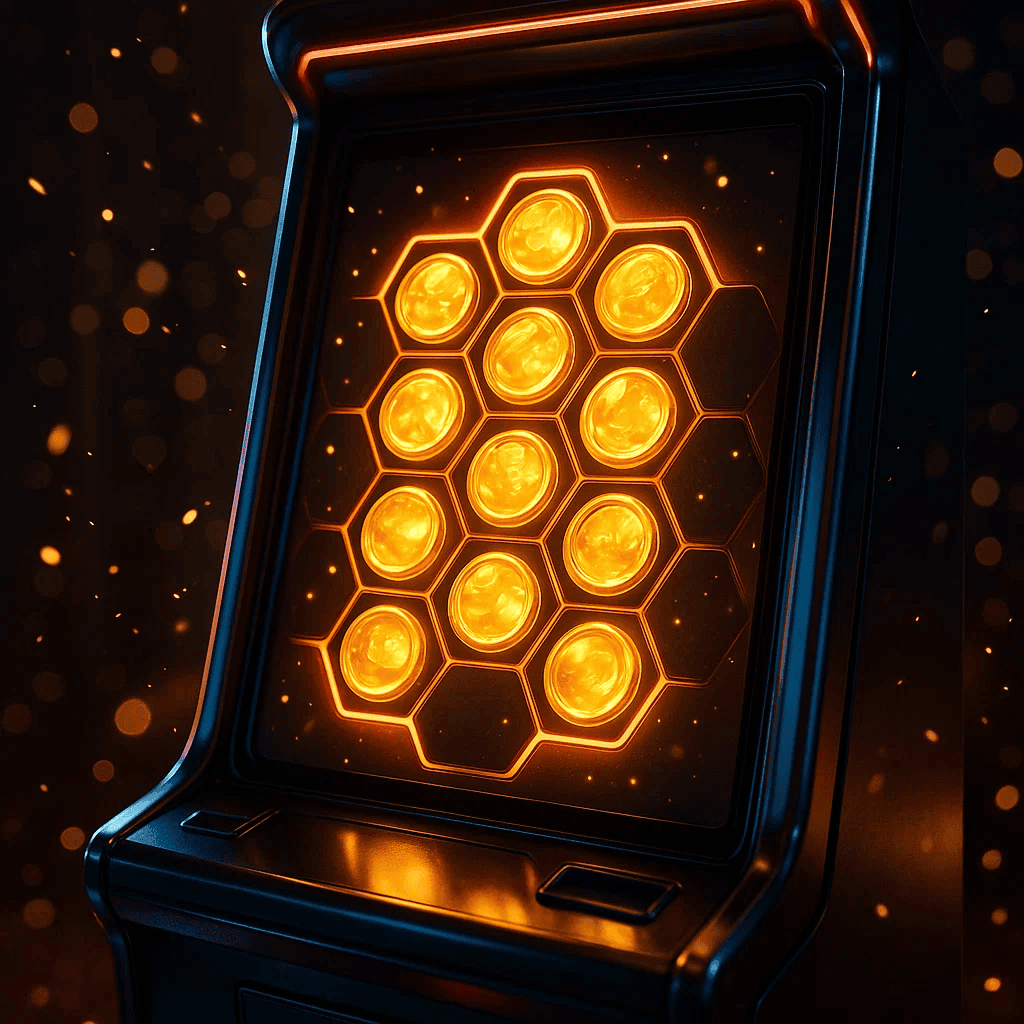
Hold & Win converts the reels into a coin board for a short, high-pressure mini-game. You start with a fixed number of respins (commonly three). Landing any new coin resets the respin counter; missing a coin consumes a life. The round ends when you run out of respins or fill the board, at which point you collect the sum of all coin values plus any special prizes.
Entry Paths and Eligibility

Most games enter Hold & Win by landing a set number of cash scatter symbols in the base game. Some titles also add random triggers from regular spins or let the feature appear inside free spins. Because a notable slice of RTP sits in this mode, base-game wins between features may feel modest; your budget needs to bridge those gaps.
Coin Values, Jackpots, and Modifiers
Before listing the usual elements, keep in mind that these add ceiling potential without changing independence. They raise volatility by concentrating value into rarer alignments inside the mini-game.
- Coin values: Each landed symbol shows a credit amount added to the total at the end.
- Fixed jackpot coins: Special icons lock in and award tiered prizes (e.g., mini/major).
- Board modifiers: Expand rows/columns, double neighboring values, or merge coins into super coins.
- Full-board bonus: Filling every position triggers an extra prize or a higher jackpot tier.
After the list, reconnect this to pacing: the more modifiers and jackpot coins in the model, the more swingy outcomes become; cold rounds will feel empty, and hot rounds can jump dramatically.
Why It Feels Different from Free Spins
Free spins usually evaluate many standard spins with boosted rules. Hold & Win condenses excitement into a tight loop where each respin is a yes/no moment. Psychologically, this amplifies tension and makes prize growth highly visible. Mathematically, it’s still a sequence of independent draws gated by a small counter.
RTP Allocation and Volatility
Designers frequently park significant RTP in Hold & Win. Trigger frequency times average feature value must balance the overall return, so either triggers are fairly regular with modest coin totals, or they’re rarer with higher peaks. Both paths can share the same RTP while delivering very different emotional arcs. Expect medium-to-high volatility, especially in versions with board expansion or many jackpot tiers.
Bankroll and Session Structure
Scale your stake so you can survive between features. If the game also offers a feature buy, treat each purchase as its own mini-session with a strict cap; buying compresses variance into fewer spins and can drain budgets quickly. Slow the tempo during droughts to reduce variance per minute, and consider walking away after a strong feature to avoid giving back gains in the inevitable lull.
Misreads and Mental Traps
The board filling up does not make the next respin “more likely” to hit; it only narrows where coins can land. Likewise, saving “luck” by pausing between respins is superstition: the outcome is fixed at input, and timing rituals don’t steer it.
Conclusion
Hold & Win is a concentrated burst of slot design: a short loop where coins lock, counters reset, and ceilings spike through jackpot icons. Understand how value is stored in that loop, size your stake for patience, and you’ll enjoy the format’s drama without mistaking spectacle for control.