What Cascading Reels Actually Do
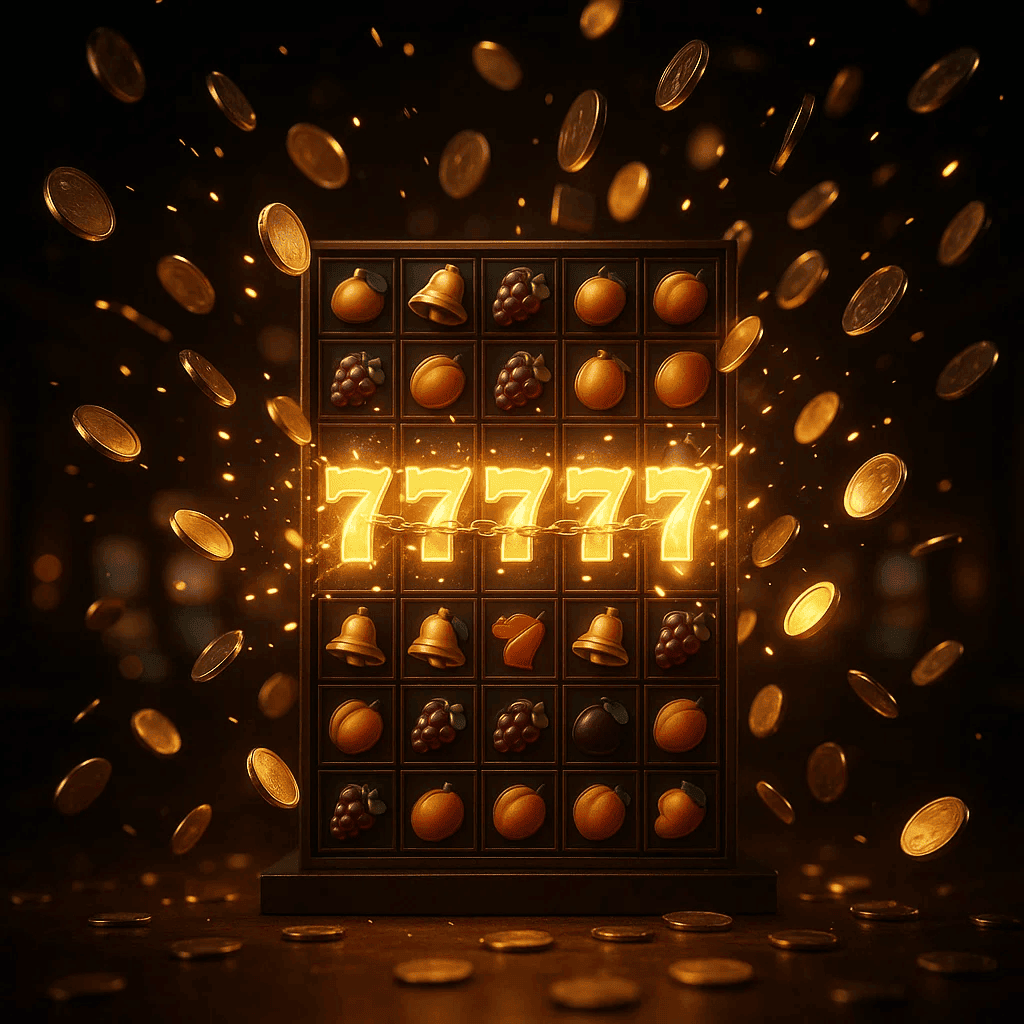
Cascading reels replace the traditional stop-and-pay cycle with a dynamic loop. After a winning evaluation, the winning symbols disappear and new symbols drop into place. The same paid spin is then re-evaluated for new wins. This continues until no further win is found. From a player’s seat it feels like “free extra hits”, but mathematically it’s a chain of additional, independent evaluations bundled into one wager.
Why Designers Love Cascades
Cascades create momentum. Instead of a single all-or-nothing check, the board reshuffles itself, offering fresh chances without another bet. Developers often synchronize audio and animation so the tempo rises with each chain, pairing the math with mounting anticipation. Crucially, the random number generator (RNG) still determines each refill streaks are exciting because of probability clusters, not because the board “owes” you a connection.
Grid Sizes, Paths, and Chain Synergy
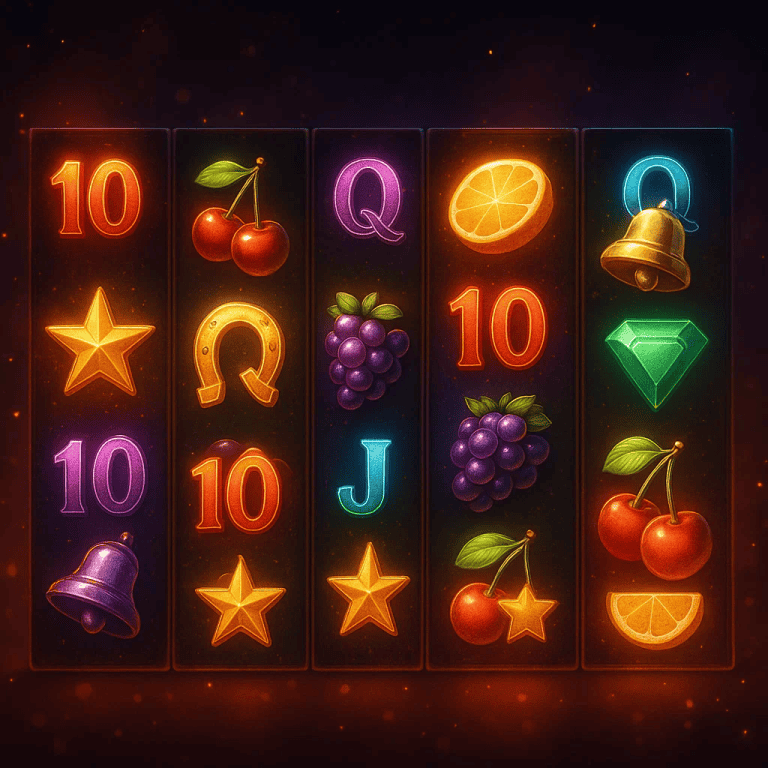
Cascades show up on classic 5×3 layouts, but they truly shine on larger grids and cluster-pays systems where groups of touching symbols count as wins. Bigger boards mean more space for gaps to open and close, so replacements can form brand-new groups. Lines and ways systems can also cascade, but clusters multiply the number of plausible outcomes per refill and therefore the feeling of rolling snowballs.
Multipliers and State During a Chain
Many games attach a progressive multiplier to the cascade sequence: each consecutive win bumps a counter (×2 or ×3 or ×5 …) that applies to subsequent wins in that same spin. Others “seed” the board with special tile wilds, symbol upgraders, or blockers that persist across refills until the sequence ends. These stateful elements concentrate a lot of expected value into longer chains, which is why a single spin can swing a session.
How This Changes Volatility
Before listing practical implications, remember that cascades redistribute value. Instead of steady base-game taps, more return can arrive in bursts when a chain extends and multipliers climb.
- Longer droughts, bigger spikes: You may see more empty spins between highlight moments, but chains can pay dramatically when they land.
- Feature synergy: Free-spin modes often add starting multipliers or guaranteed wilds, making chains more potent than in the base game.
- Higher emotional amplitude: Wins come grouped; losses feel flat until a sequence pops.
After the list, tie this back to pacing: cascades reward patience and bankrolls that survive the quiet stretches required to reach those dramatic runs.

Bankroll and Session Planning
Pick a stake that buys time. If a game’s rules mention progressive chain multipliers or sticky wilds during cascades, plan for 100–200 spins to see the system breathe. Avoid turbo when you’re tilted; cascades compress variance into seconds, and speed amplifies emotional swings. Use a stop-loss and a win ceiling so a single snowball good or bad doesn’t dictate the whole session.
Misreads to Avoid
A board that is “almost” connected is not primed; fresh refills are fresh samples. Likewise, a chain that just ended doesn’t reduce the odds of the next spin chaining again. Treat each paid spin as its own little story that might or might not snowball.
Conclusion
Cascading reels turn single spins into mini-sessions where refills, multipliers, and board states can stack into memorable bursts. Accept the quieter gaps, size your stake for longevity, and let the format work: when a cascade takes off, you’ll understand why designers build entire games around that one rhythmic idea.