
What “Megaways” Actually Means
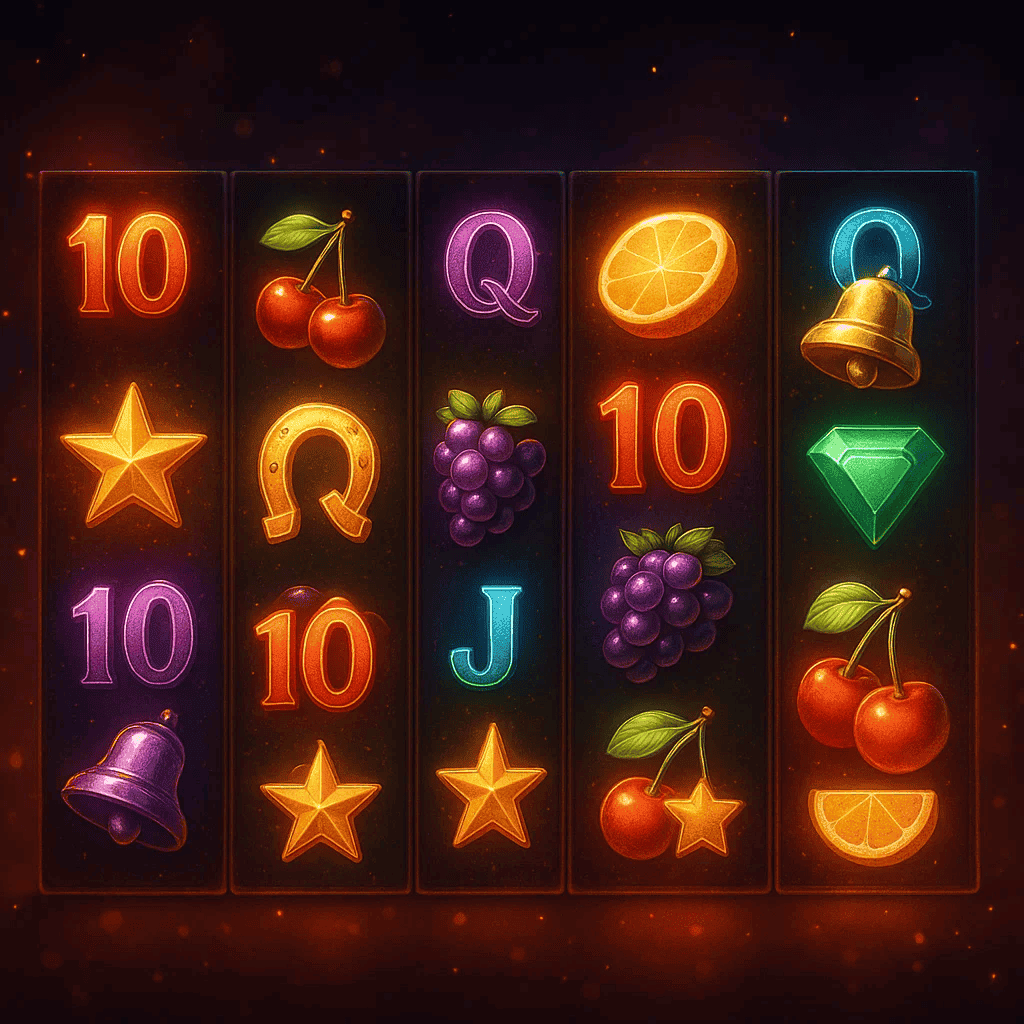
Megaways is a ruleset where each reel displays a variable number of symbols on every spin. Instead of a fixed 5×3 layout, you might see anything from two to seven (or more) symbols per reel, with total “ways” recalculated on the fly as a product of visible symbols per reel. That dynamism delivers frequent visual change and wide swings in hit frequency, all under the same RNG foundation that fixes outcomes the instant you press spin.
Dynamic Reel Heights and Recalculated Ways
On each spin, a hidden selection routine decides how tall every reel becomes. If the final layout shows, say, 6–7–6–5–7–6 symbols across six reels, your ways equal 6×7×6×5×7×6, a massive count compared with classic lines. Wins are then evaluated left to right for any symbol on adjacent reels. The appeal is obvious: more positions can mean more small connections. The trade-off is that average pay per hit is lower, and big payouts tend to come from multipliers or long chains within features.
Where the Value Lives: Base Game vs. Features
Megaways titles often park a large share of RTP inside free-spin modes. During these modes, many games add an unlimited win multiplier that increases after every cascade, or they guarantee larger reel heights, making ways explode. This design shifts value away from steady base-game drips and toward rare, cinematic bursts great for drama, tougher on bankrolls between triggers.
Cascades and Symbol Removal
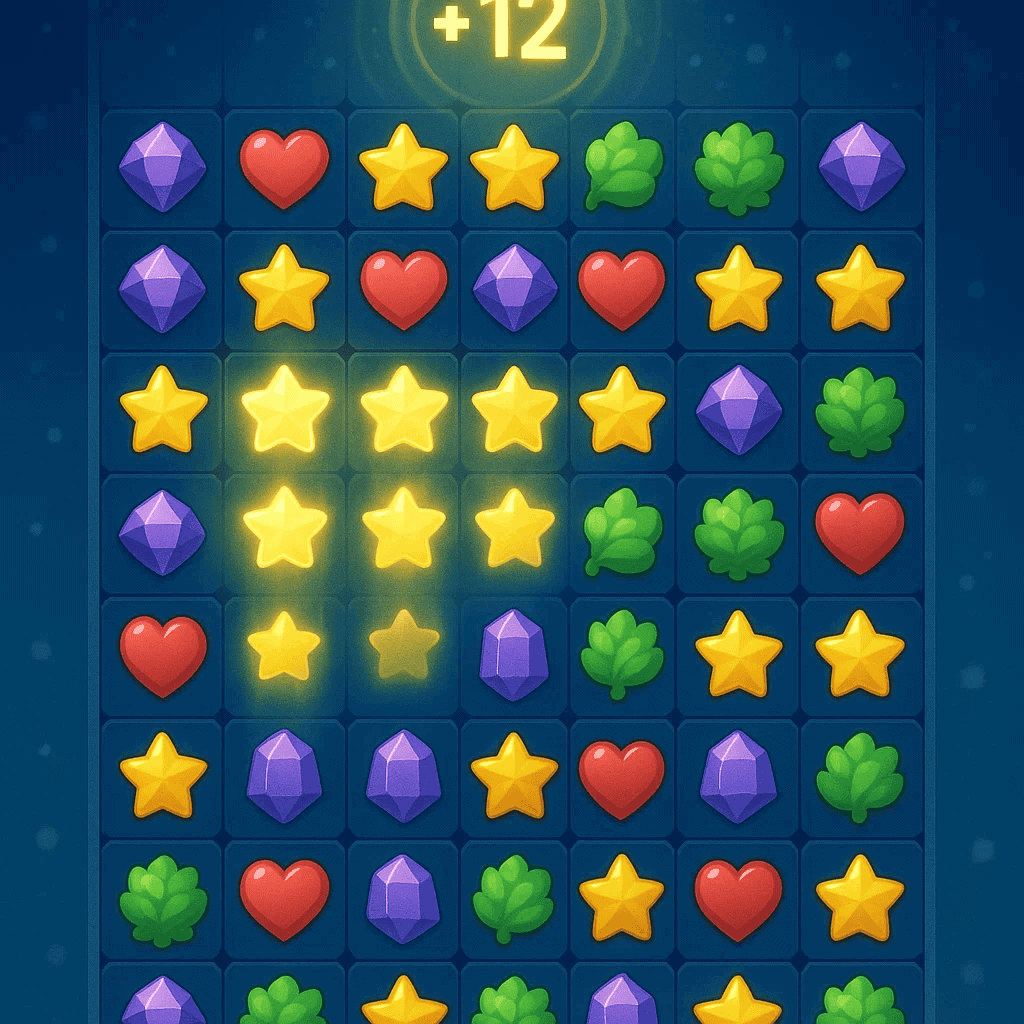
Most Megaways games use cascading wins: winning symbols disappear, new ones fall from above, and the same paid spin can evaluate multiple times in a row. This mechanic adds momentum and synergizes with multipliers in features. It doesn’t change randomness; it clusters several independent evaluations into one paid moment, concentrating excitement and variance into streaks.
Reading Volatility in Megaways
Expect medium-to-high volatility by default. Variable reel heights and multiplier-centric features widen result distributions. If you crave steadiness, look for versions with gentler multipliers, frequent triggers, or side modifiers that sprinkle small wins into the base game. If you chase spikes, choose titles that ramp multipliers quickly and allow re-triggers inside free spins.
Practical Bankroll Setup
Before listing practical tips, remember that Megaways pacing hinges on reaching the feature while surviving cold stretches. Your stake should reflect that journey, not just the spectacle of the maximum ways shown on screen.
- Scale the bet down compared to fixed-line games; aim for 100–200 spins of stamina so you can realistically meet a feature.
- Test the demo to feel how often cascades chain and how multipliers escalate; adjust stake after that sample.
- Avoid turbo during droughts to reduce variance per minute; speed is a budget multiplier.
These simple adjustments prioritize longevity without dulling the format’s signature bursts.
Myths and Misreads
Players sometimes believe that taller reels are “luckier” or that a screen near the maximum ways is predisposed to hit. In reality, the RNG already decided the outcome at click time; reel height is part of that reveal. Tall layouts can still miss; modest layouts can chain into big totals via cascades. Treat visual grandeur as theater, not as a predictor.
Conclusion
Megaways takes the familiar slot skeleton and stretches it into a flexible grid where ways, cascades, and multipliers create dramatic arcs. The math favors bursts over drips, so plan stakes for patience, not for constant action. When you understand that reel height and ways are presentation layers on top of a fixed-fair RNG, you can enjoy the spectacle without chasing illusions.